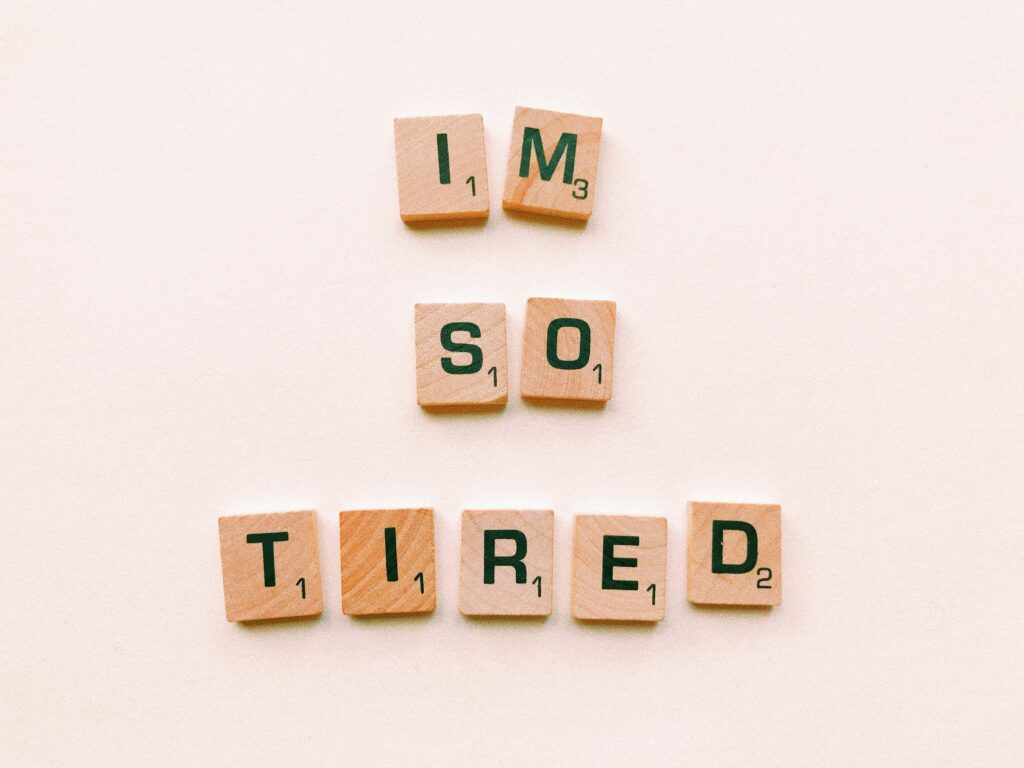
A lot of people commenting in self‑improvement spaces right now are saying the same thing: “I’m doing everything to improve, but I’m exhausted, overwhelmed, and it doesn’t even feel good anymore.” They talk about phone addiction, endless productivity tips, and the pressure to optimize every second of the day, yet still feeling empty or mentally drained. Psychologists describe this as “betterment burnout”: when your drive to constantly fix yourself becomes its own source of stress and exhaustion.
Self‑improvement was never meant to feel like a full‑time job you can’t resign from. Behavioral health experts warn that burnout often shows up when your life becomes a nonstop list of goals and upgrades with very little rest, play, or genuine self‑acceptance. Articles on burnout in 2026 describe people who feel drained most days, lose interest in what they used to enjoy, and struggle to focus, even though they’re “doing all the right things” on paper. In online communities, others add that trying to change too many things at once almost guarantees collapse — you sprint, then you crash, then you feel ashamed and start the cycle again.
Practical Advice From Psychologists and Coaches
Clinical psychologist Dr. Dani Sulik, writing in Psychology Today about betterment burnout, suggests starting by shifting from constant self‑fixing to more self‑acceptance and value‑based goals. Instead of chasing every new habit or hack, she recommends focusing on goals that actually align with your core values and redefining success so it’s not only about achievement but also about well‑being. That means asking yourself: “Is this goal really mine, or am I chasing it because I feel behind?” and letting some goals go if they don’t fit who you truly want to be.
Burnout specialists and organizations like the Australian Psychological Society advise setting easier and more realistic goals, taking regular breaks, and building genuine work‑life balance instead of filling every free hour with more improvement tasks. Their guidance includes prioritizing rest, sleep, movement, and nourishing food as non‑negotiables, not rewards you earn only after finishing a long list. Mental Health UK emphasizes that burnout is a state of physical, mental, and emotional exhaustion from long‑term stress, and that early steps like recognizing warning signs and talking to someone you trust can prevent things from getting worse.
Executive coach Muji Bekomson, who coaches high performers on avoiding burnout, goes even further and says: stop trying to build resilience for work or environments that are fundamentally wrong for you. In his 2026 article, he encourages people to ask what kind of work conditions their body actually needs to sustain energy, then change their role, restructure their day, or even let go of draining clients so their life is not built around constant overextension. This same question applies to self‑improvement — your routines should support your nervous system, not crush it.
Leadership coach Kris Jenkins shares simple, concrete rules that help people stay ambitious without burning out: take longer vacations when possible, limit the amount of calls and emails you handle in a day, avoid adding new projects to an already full plate, and intentionally plan activities outside work to look forward to. He also highlights basic but powerful habits like choosing healthier food, getting a bit more sleep, and leaving time in your day for reflection and meditation. These aren’t fancy hacks; they are grounded practices that protect your energy over the long term.
Finally, major psychological associations emphasize that recovery from burnout often requires support, not just “pushing through.” The Australian Psychological Society recommends identifying the sources of stress, checking if your environment matches your values, and, when needed, working with a psychologist to address perfectionism, people‑pleasing, and the belief that you must constantly prove yourself. Behavioral‑health experts also stress that it is important to seek professional help if you notice signs such as persistent exhaustion, cynicism, emotional numbness, or feeling hopeless about change.
If you feel like you’re doing everything “right” and still running on empty, you are not failing at self‑improvement — your current strategy is simply not sustainable. Psychologists, therapists, and coaches are all pointing in the same direction: slow down, realign your goals with your values, protect your rest, and ask for help sooner instead of later.