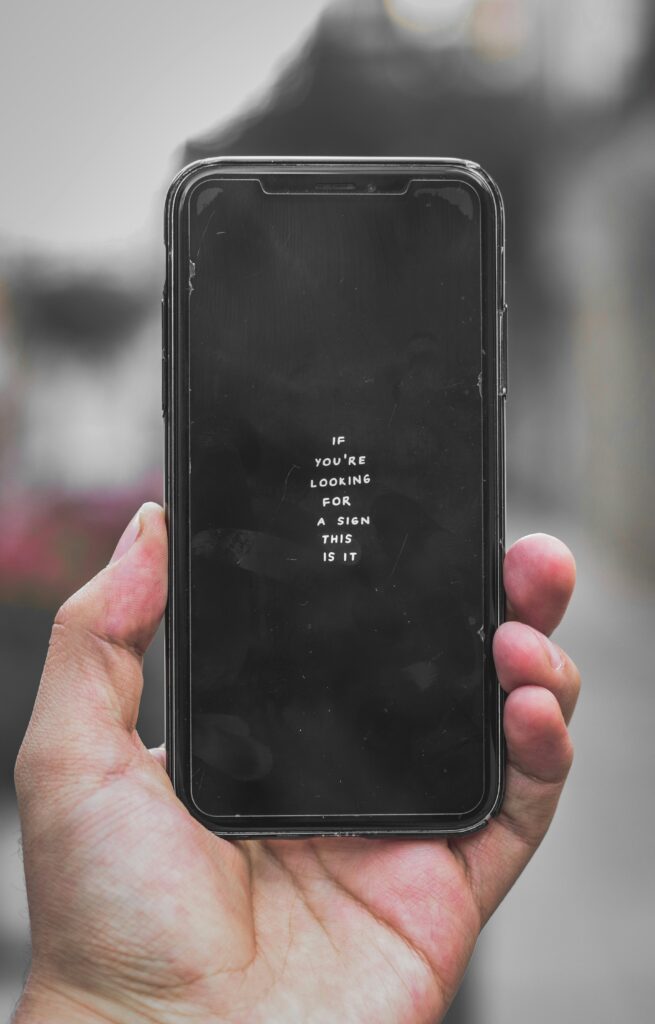
A lot of people online are confessing the same thing: “I know my phone is ruining my focus, but without it I feel bored, lonely, or anxious — like I have nothing else.” In self‑help and productivity forums, they describe days lost to scrolling, checking, and comparing, then feeling empty when they finally put the phone down. Psychologists and mental‑health writers warn that heavy smartphone use like this can damage sleep, mood, and relationships, and can start to look like a behavioral addiction.
The good news is that specialists are very clear: you don’t have to “hate technology” to heal your relationship with your phone. You need boundaries, replacement habits, and sometimes professional support — in other words, a plan that serves your real life, not just your screen.
1. Create Phone‑Free Zones and Times
Psychologist Dani Sulik and other experts on smartphone overuse recommend setting simple, focused boundaries: choose specific windows in the day when the phone is completely out of reach. MentalHealth.com suggests starting with two slots — for example, the first 30 minutes after waking and the last hour before bed — where your phone stays in another room. This gives your nervous system a chance to reset and improves sleep and mood.
Therapists like Megan Smiley (who writes about phone boundaries) also advise creating phone‑free spaces, such as the dining table, the bathroom, and the bedroom. She encourages clients to tell friends and family about these rules so they understand why you might not reply instantly, which reduces guilt and pressure. Even addiction specialist Dr. Mike Stout recommends treating your phone like “just a phone” one day a week — calls only, no texts or scrolling — and keeping it out of the bedroom at night.
2. Make Your Phone Less Addictive on Purpose
Several psychologists and coaches talk about “designing friction” into your phone so you can’t slip into doom‑scrolling as easily. Harvard professor Arthur Brooks and productivity expert Joshua Becker recommend tactics like a “phone foyer” — a charging station away from living spaces — and even putting a rubber band around your phone so every time you pick it up, you remember to ask, “Do I really need this right now?”
Psychologist Tracy Hutchinson (writing in Psychology Today) suggests four basic moves: don’t keep the phone on you all the time, monitor your usage with tools like Screen Time or Digital Wellbeing, set app time limits, and make your phone visually boring by turning on grayscale and removing social apps from the first screen. These small changes make it harder for the old habit loop to fire automatically, so you’re more likely to put the device down.
3. Replace Scrolling With Real‑World Rewards
Experts stress that you can’t just subtract your phone; you have to add something better. Studies summarized by exercise and mental‑health researchers show that moderate physical activity — walking, light workouts, stretching — reduces phone addiction while improving mood and energy. That’s why many therapists advise pairing “no‑phone times” with movement: a walk without your phone, a workout where your device stays in the locker, or a short stretching routine in your living room.
Therapist Megan Smiley also recommends keeping analog alternatives at arm’s reach: a book, journal, art supplies, or a fidget toy near where you usually scroll. When the urge hits, you grab one of these instead of the screen. MentalHealth.com adds that mindfulness practices — simple breathing exercises, brief meditations, or body scans — help anchor your attention in the present so you don’t reach for your phone every time you feel uncomfortable.
4. Use Your Phone to Reduce Loneliness, Not Increase It
A lot of people who struggle to put their phone down say that when they do, they suddenly feel the full weight of loneliness. The U.S. National Institute on Aging (NIA) points out that loneliness and social isolation can seriously harm mental and physical health, and recommends staying connected through regular check‑ins with friends and family, joining groups with shared interests, and trying new activities that put you around people.
Interestingly, the NIA also suggests using technology more intentionally to reduce loneliness: learning to use email or one social platform to stay in touch, joining a hobby group online, and practicing sending one message or comment per day so you build genuine connection instead of mindless scrolling. In other words, your phone can be a bridge to community if you use it to talk, share, and create instead of just consume.
5. Ask for Professional Help When It’s More Than a Habit
When you try these steps and still feel out of control, it might be time to involve a professional. Psychologist Jay Olson, who studies smartphone addiction, notes that talk therapies such as cognitive behavioral therapy (CBT) and mindfulness‑based therapy are effective at interrupting compulsive phone use and changing the beliefs that keep you stuck. MentalHealth.com also suggests seeking support from a mental‑health provider when phone use is severely affecting your mood, sleep, or relationships.
Organizations like Mental Health UK and national psychology associations emphasize that burnout, chronic loneliness, and digital addiction are not personal failures but health issues that respond well to proper treatment. A therapist, coach, or counselor can help you design a realistic plan, address underlying anxiety or depression, and support you while you build a life that feels bigger than your screen.